What it does
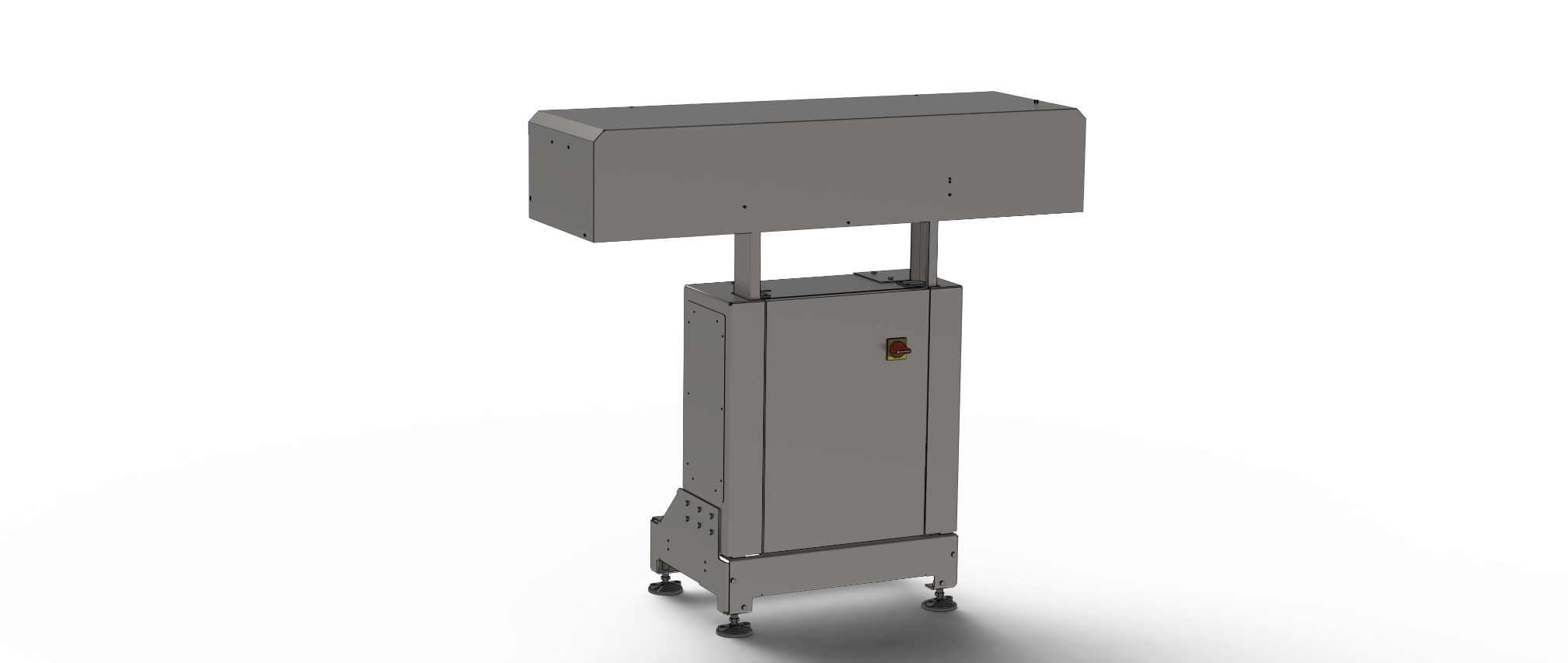
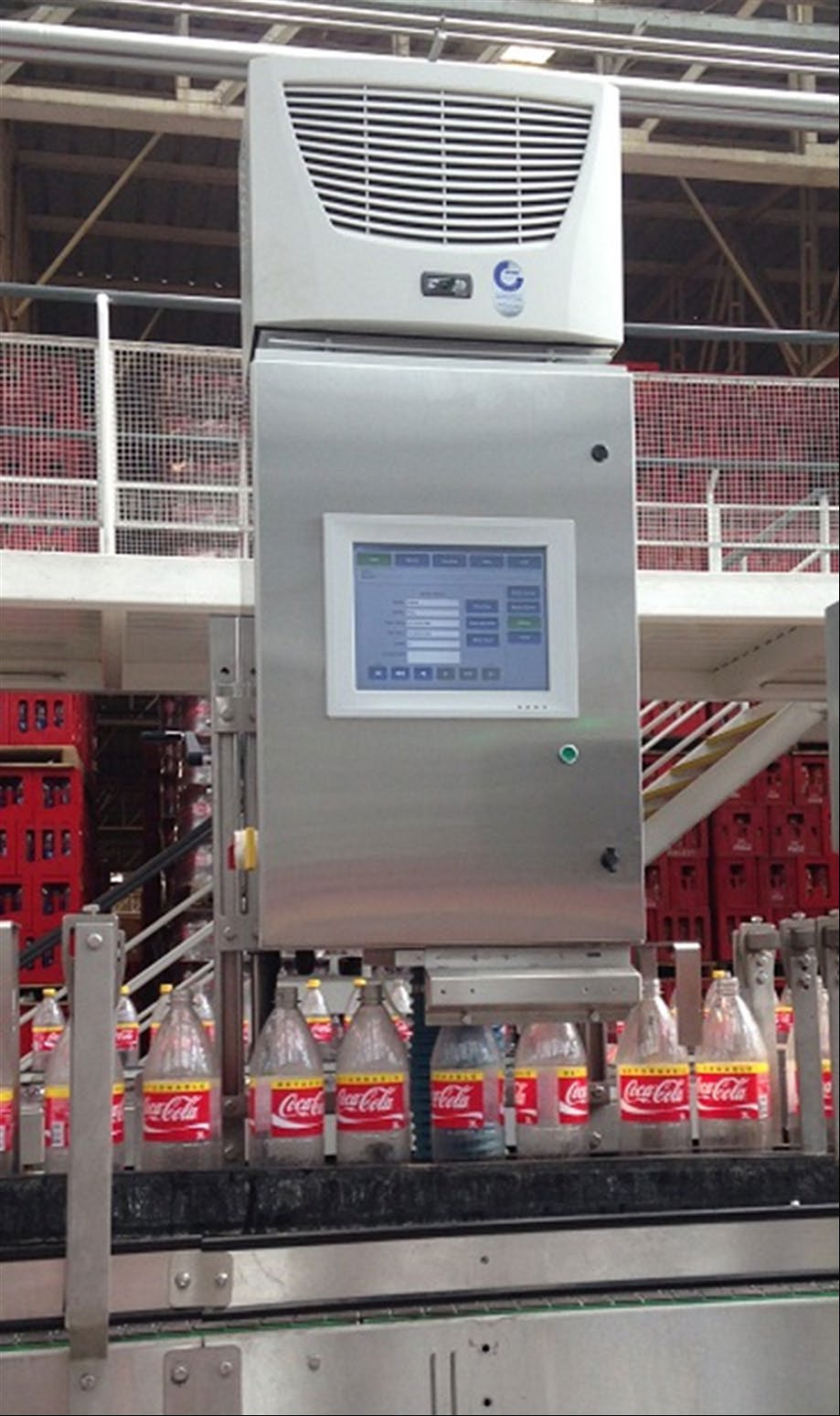
The REJ family is the hardware that removes the wrong containers from the line, working alongside ENOS inspection systems. Depending on the container and the line layout, it can lift a bottle or can onto a reject belt, push a large plastic container to one side into a collection area, or use moving segments to ease products onto a parallel conveyor. It usually acts on the reject signal from the inspector upstream, but it can also run on its own as a sorting station, set for your line speed and a left- or right-hand reject.
Gentle, reliable handling
Each rejector is set up to act on the container cleanly — removing only what should come off the line and keeping good product moving without bruising or tipping it. The station confirms every reject, so a container that should have been removed but wasn't raises an alarm. It also detects fallen bottles and a full reject bin and shows line status on a signal tower, making the reject point an active part of the line rather than a blind push.
Rejector types
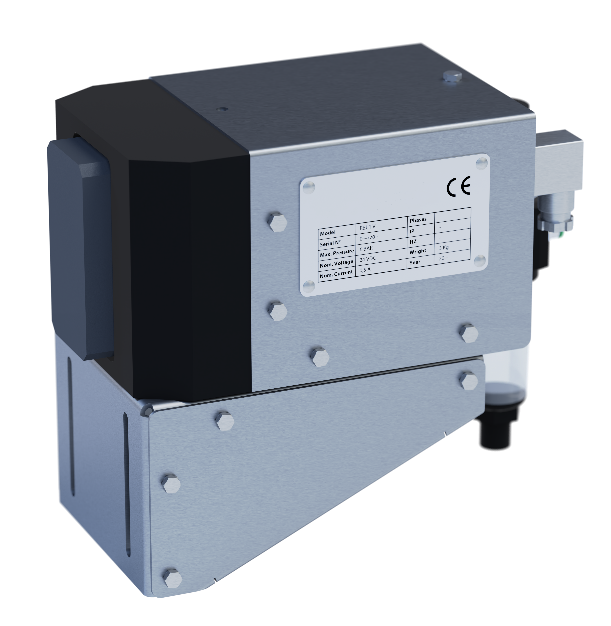
- Soft push A gentle pneumatic push for bottles and cans of almost any shape, including lightweight containers — handling up to 70,000 containers per hour.
- Motorized pusher A compact, motor-driven pusher for larger, heavier plastic containers such as 10-20 litre drums, where a firmer, controlled stroke is needed.
- Segmented transfer Moving segments travel alongside each container and ease it onto a parallel conveyor — fast, very gentle and needing no compressed air. It scales from slim, light bottles up to tall or heavy containers, at up to 60,000 containers per hour.
REJ vs QLS
QLS is a dedicated segmented sorter built for very gentle, high-precision bottle handling. REJ is the broader toolbox — pneumatic push, a motorized pusher and segmented transfer — chosen by container size, reject direction and line layout.