What it does
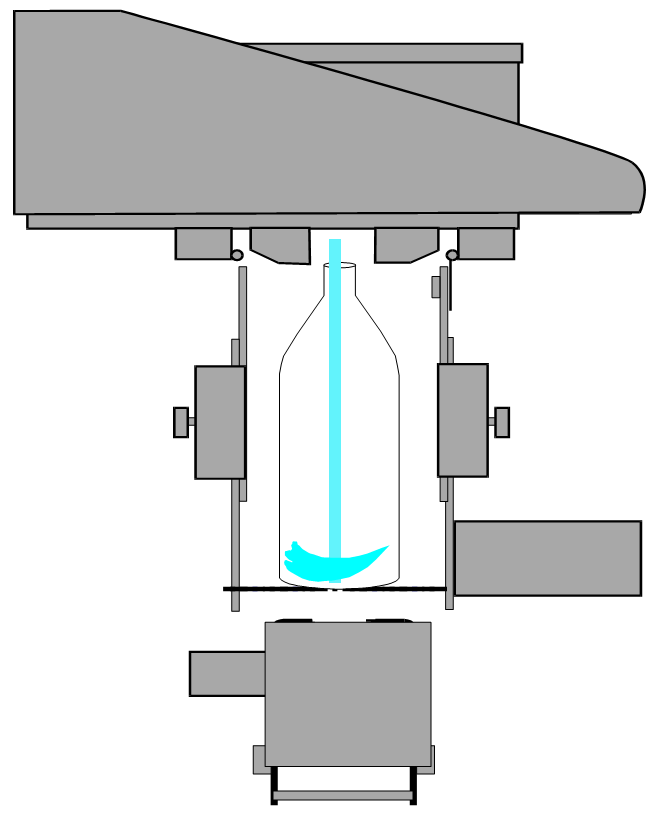
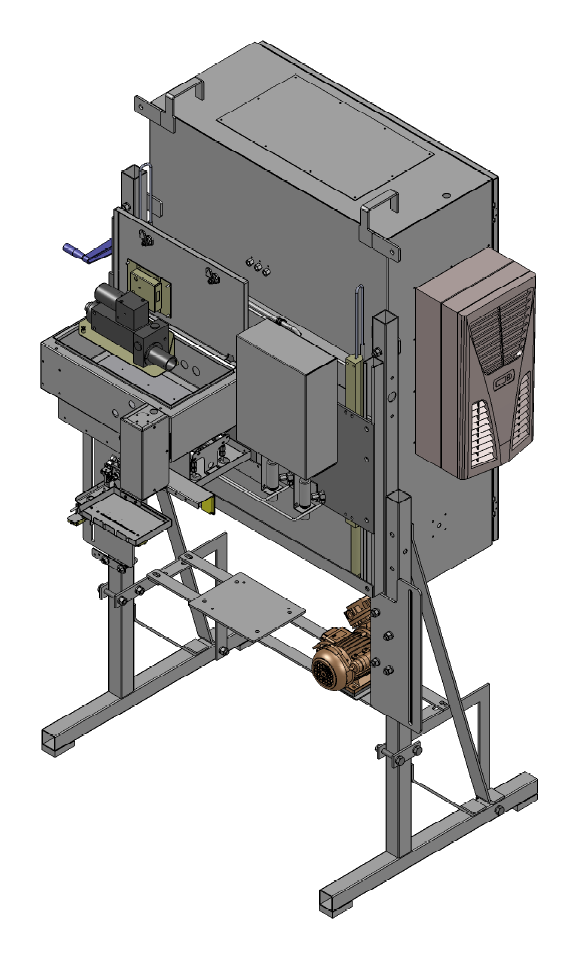
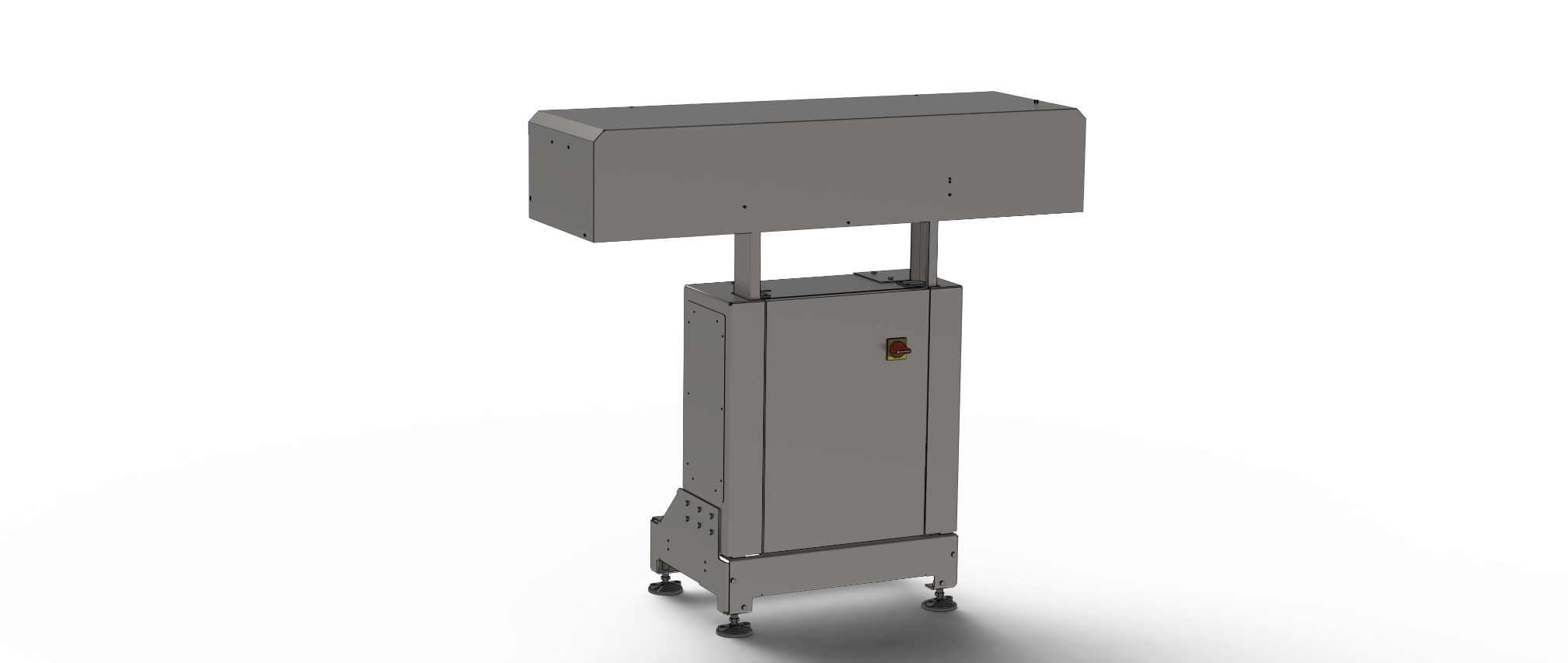
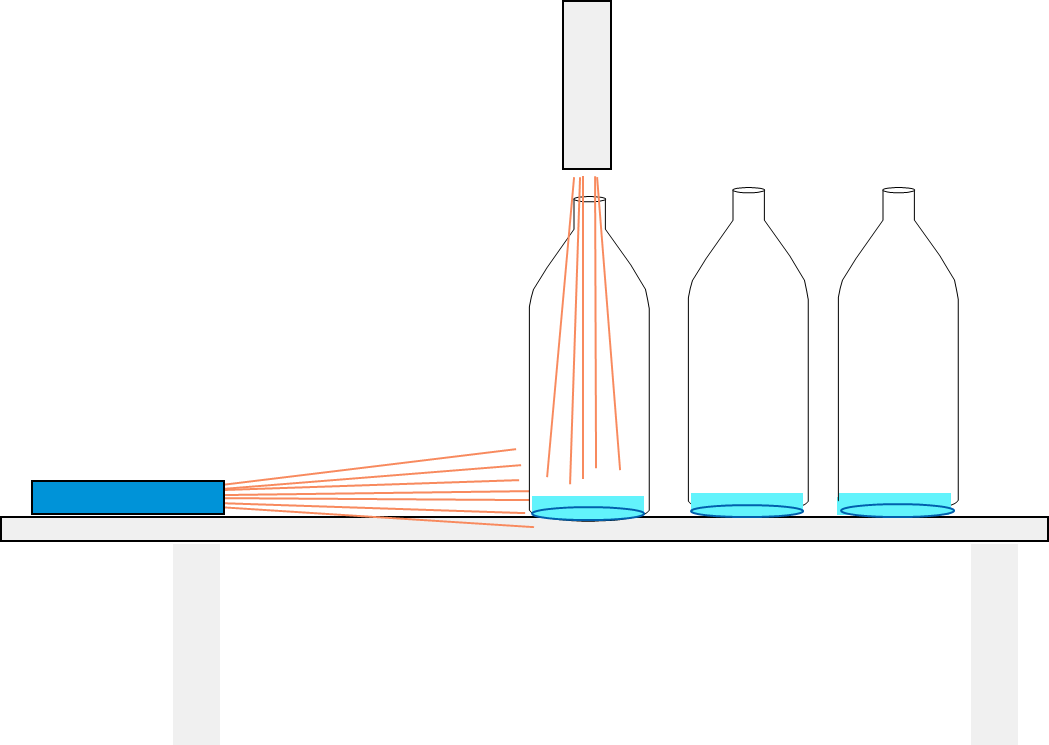
IR Vision is the optical channel of the A100's first-barrier station. Where the A100's vapor modules sniff for contaminant vapors, its IR Vision module takes a clear infrared image of the bottle bottom and looks for foam. Perfumed, foam-generating products such as scented cleaners, detergents and fabric softeners leave little usable vapor trace, so the foam they raise is the only reliable tell. The module covers a 100% inspection zone across the base of the bottle and rejects any bottle showing foam — handling the perfumed contaminants the vapor channels cannot.
In the line
The module reads each bottle right after the vapor analysis, and the SyncroJET III pretreatment upstream is what makes the inspection work: a carbonate-and-water dose injected into the base of the bottle agitates any residue, and a perfumed contaminant responds by foaming. IR Vision works alongside the A100 at the first barrier — the A100 removes bottles holding ammonia- and petroleum-based contaminants while IR Vision removes the perfumed, foam-generating ones — and shares the same reject path, firing the audible alarm and red light before a soft vertical rejector pulls the bottle from the line.
What it catches
- Foam raised by perfumed, foam-generating contaminants after SyncroJET III agitation — scented cleaners, detergents and fabric softeners that leave little vapor trace.
- Residual liquid pooled in the base of the bottle.
- Foreign objects and other optical anomalies visible through the bottle bottom.